
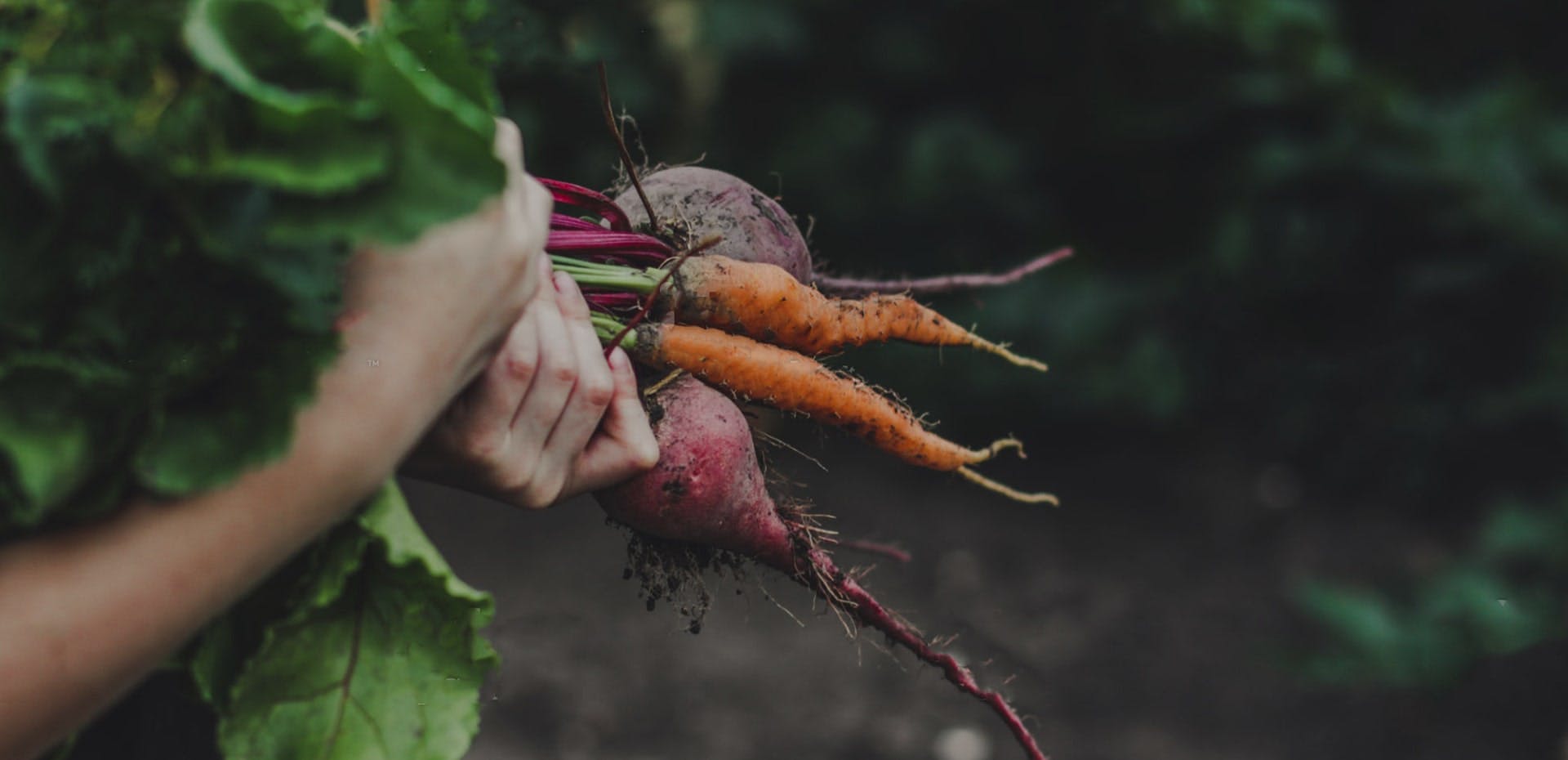
Experience

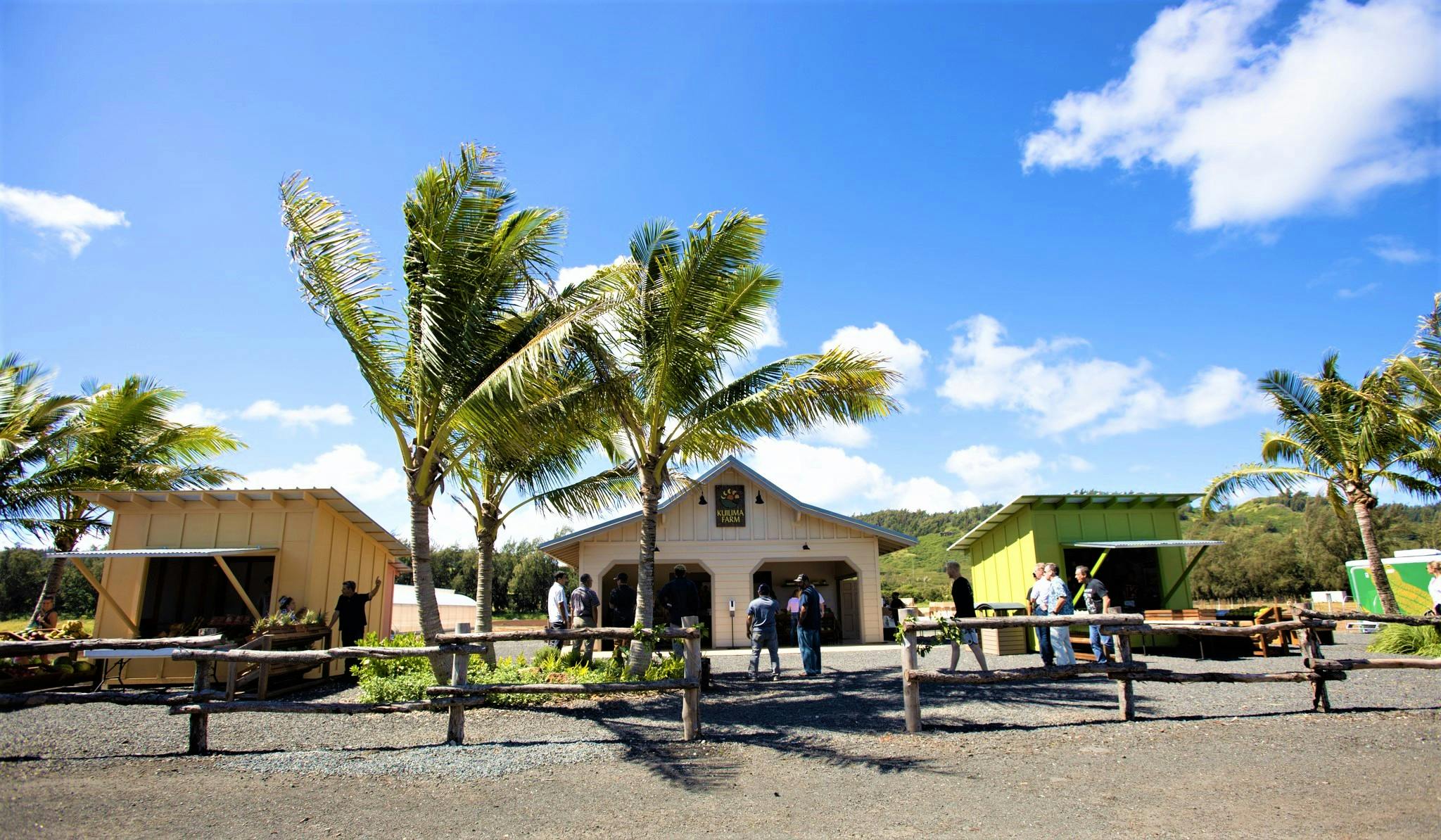
Farm Stand
The Farm Stand at Kuilima Farm is located mauka of The Ritz-Carlton Oʻahu, Turtle Bay, across from Kawela Bay. Stop by to enjoy farm fresh goods and desserts!
Hours of Operation
Daily, 9am to 5pm
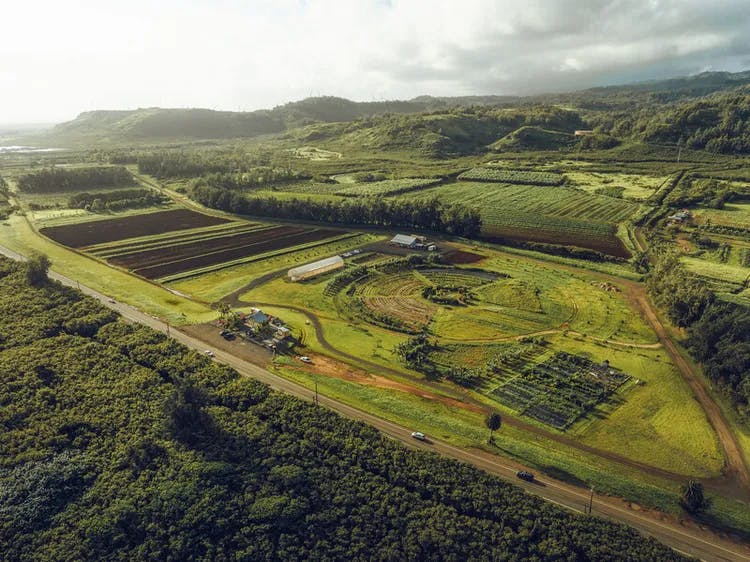
Farm Tours
Kuilima Farm is more than a provider of high-quality, certified farm-fresh products—it’s a living classroom that celebrates Hawai‘i’s agricultural heritage. Join a 45-minute guided tour to explore the farm’s diverse crops and learn about the rich cultural traditions tied to the land. Discover native plants, seasonal produce, and farm-fresh ingredients that bring vibrant flavors to the resort's menus. Savor tastings of fresh, locally grown offerings and shop for unique products at the farm stands. Leave with a deeper connection to the land and a renewed appreciation for sustainable practices.
- Check-in Time & Location: Your guide will be ready to greet you 15 minutes prior to the tour. Kuilima Farm is located a mile north of The Ritz-Carlton O‘ahu, Turtle Bay on the highway. Meet at the roadside stands by the gazebo picnic table. You can drive or enjoy a coastal walk (approximately 45-minutes) from resort.
- Prepare for Your Visit: The farm tour is an outdoor walk, so prepare for sun exposure. We recommend wearing hats, sunglasses, sunscreen, and covered walking shoes. As a working farm, you may have the opportunity to engage with the land. Expect a refreshing tropical breeze, which may bring wind during your tour.
- Due to storm damage to the farm's hydroponic greenhouse, walking tours will temporarily exclude the greenhouse until repairs are completed. We apologize for any inconvenience and appreciate your understanding as we work to restore this experience.
Book your farm tour tickets here:
Kuilima Farm Tour | The Ritz Carlton Oahu Turtle Bay
To learn more about our farm and walking tours, follow us on Instagram @kuilimafarm
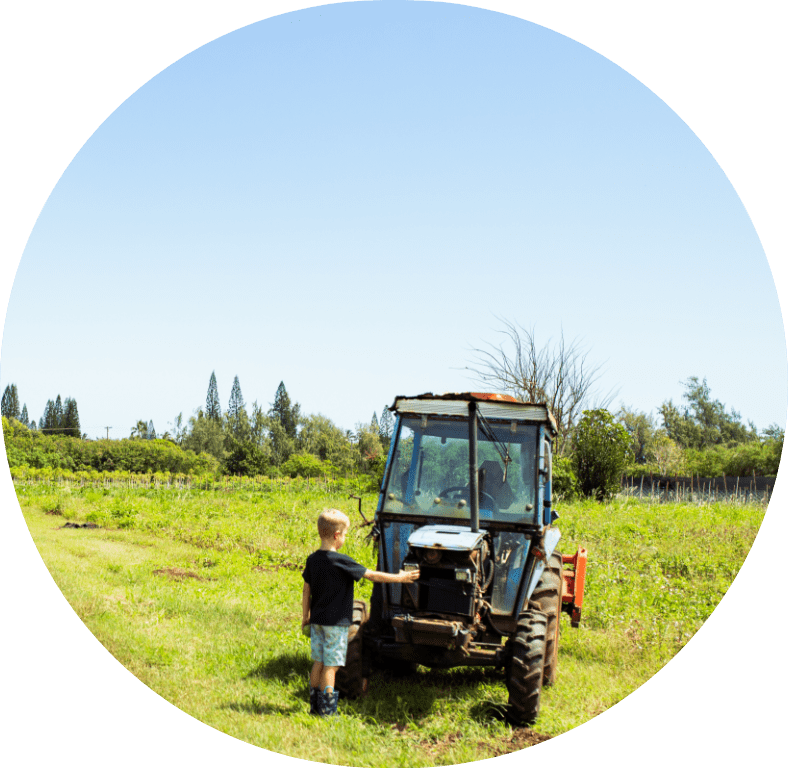
Learn
Part of Kuilima Farm’s mission is to provide activities that educate both residents and guests on regenerative agriculture and Hawaiian culture. Visit Kuilima Farm and explore:
- A 25-acre model farm tour
- A fully operational hydroponics facility: integrating techniques to produce more food in small, protected spaces and recycling water
- A native Hawaiian garden located at the piko, or center, of our model farm
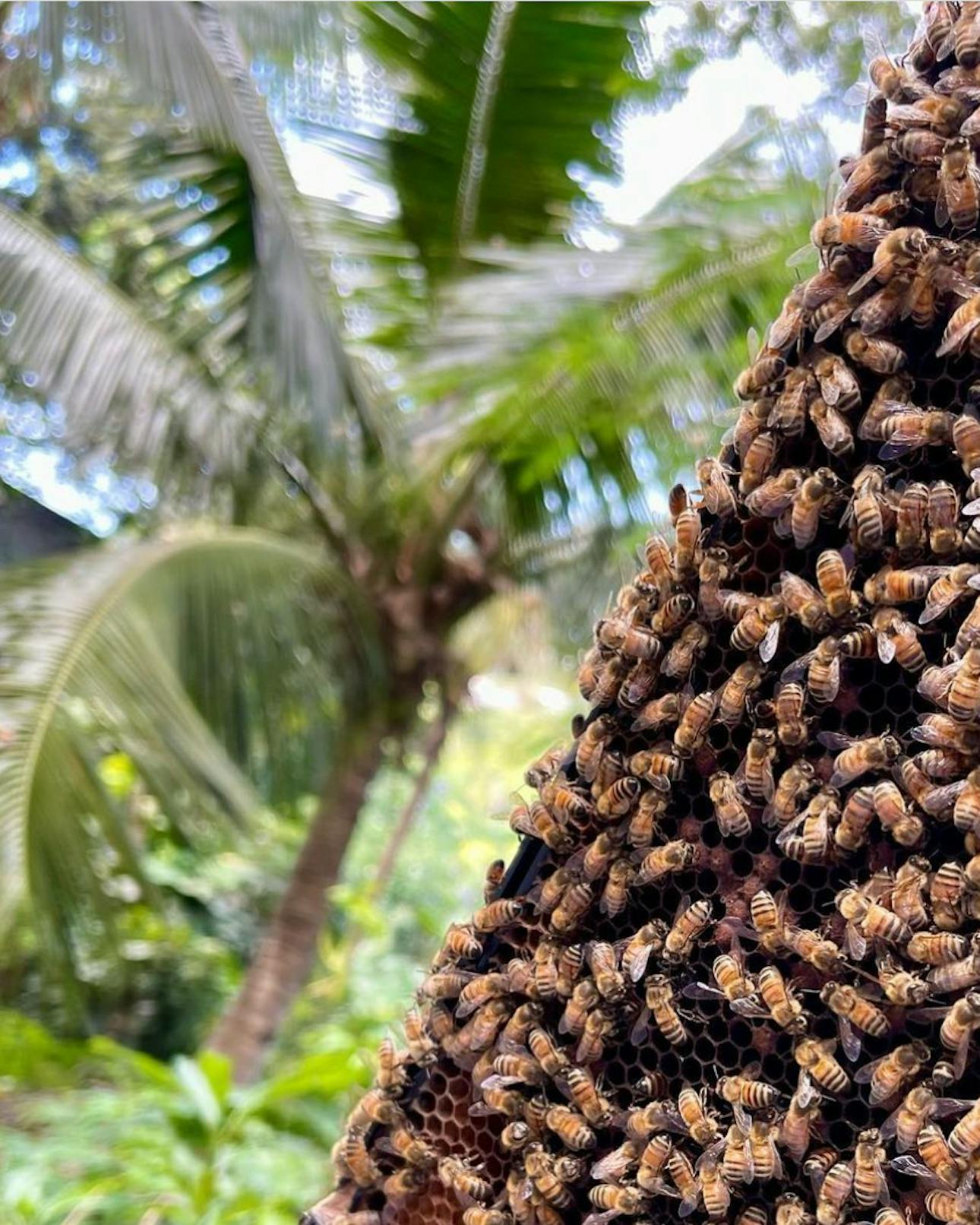
We Make Honey!
Kuilima Farm is currently home to over half a million bees! Purple and blue flowers are honeybees' favorite colors (they see ultraviolet light) so Kuilima Farm with its herbs, fruits and food plant flowers is a great place for honeybees to find nourishment. Thanks to a partnership with Hānai Hives, the Kuilima Farm honey recently had its first harvest. The Kuilima Farm honey is hand-harvested in small batches with Aloha. It’s available for sale at the roadside Kuilima Farm stand, which is open daily 9 a.m. - 5 p.m. on your way to or from Turtle Bay on the mauka side (mountainside) of Kamehameha Hwy.
- Each beehive has 40,000 - 60,000 bees.
- One bee in its lifetime produces 1/12 of a teaspoon of honey.
- Worker bees only live six weeks.
- Bees need to tap two million flowers to make one pound of honey!
- The beehives can produce up to 100 pounds of honey per year, however we always leave honey on the hives for the bees as it’s their food source. This is especially important during the rainy season (they can’t go out to forage or their wings get wet and they can't fly home).
- Honeybees have very distinct seasons here in Hawaiʻi. Winter is the rainy season, and the bees experience a dearth in nectar flow. Spring is when the colonies start to build up and we see our first blooms. It really isn’t until May when the bees can start enjoying a steady nectar flow; that usually peaks in August here on the North Shore of Oʻahu. Bees and beekeepers are very busy in summer—it’s swarm season! It’s all worth it come Fall when we can start harvesting that raw, golden honey.
- Most (worker) honeybees are female—they do all the work— nursing, foraging, guarding, and engineering honeycomb. It's a matriarchal society, hence the Queen Bee! Males (the drones) don't have a stinger; all they do is mate.
- There's only ONE queen bee in a hive. She can lay up to 2,500 eggs in a day and can live up to three years. Long live the Queen!